
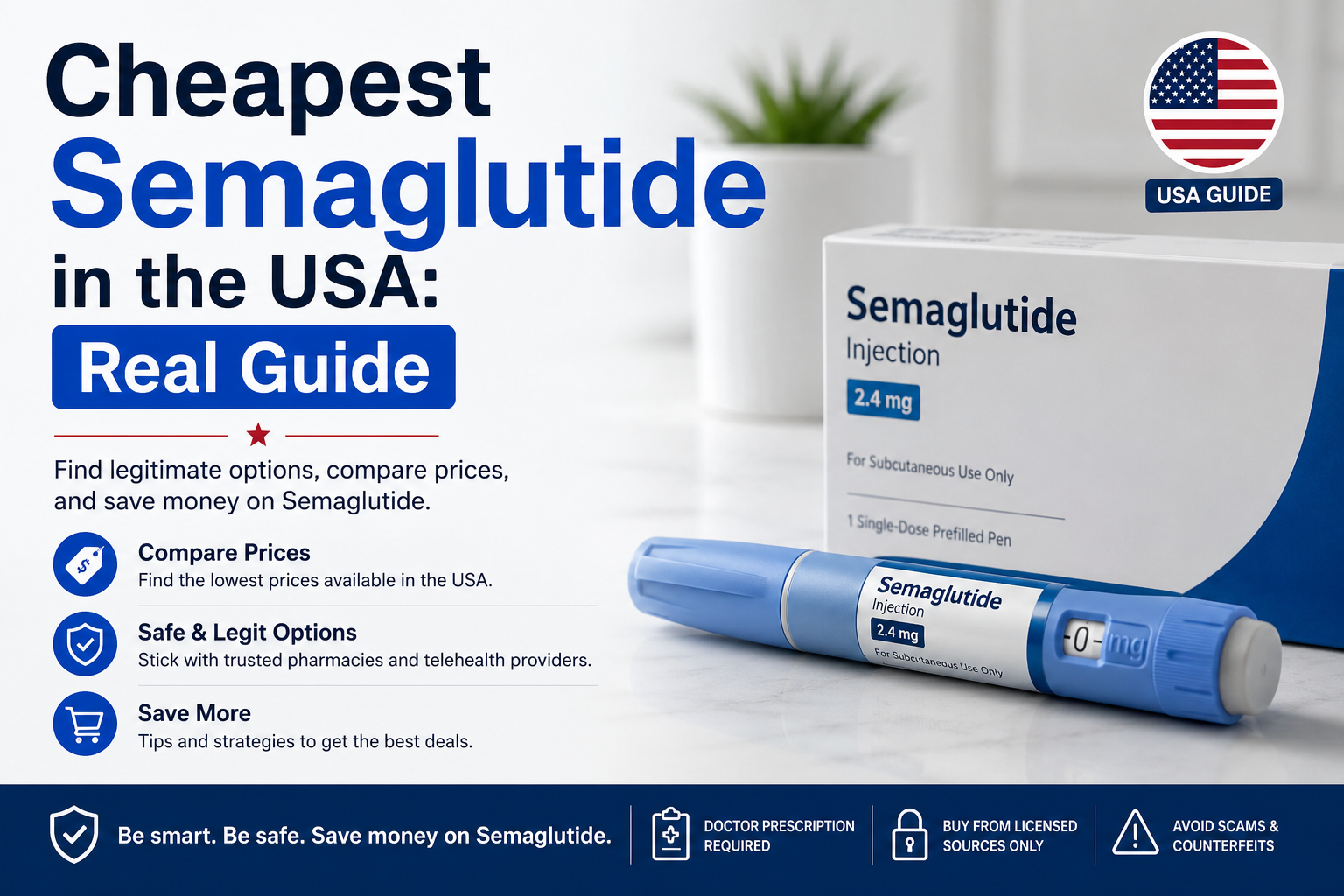
1.Cheapest Semaglutide in the USA (2026): Real Cost Guide, Cheapest Providers & Safe Buying Tips
Semaglutide has completely transformed the weight loss industry in America.
Over the past few years, medications like Ozempic and Wegovy have become
some of the most searched weight loss treatments online. Millions of Americans
are now searching for the cheapest semaglutide in the USA because monthly
prices can easily exceed $1,000 without insurance coverage.
This complete guide explains everything you need to know about affordable
semaglutide options in 2026 including compounded semaglutide, telehealth
weight loss clinics, insurance coverage, FDA warnings, online scams,
pricing comparisons, and how to save money safely.
2.Table of Contents
- What Is Semaglutide?
- Why Is Semaglutide So Expensive?
- How Semaglutide Works for Weight Loss
- Cheapest Ways to Get Semaglutide
- Compounded Semaglutide Explained
- Administering Injections for Safe Semaglutide Weight Loss
- Best Telehealth Weight Loss Programs
- Insurance Coverage in America
- Semaglutide Cost Comparison
- Online Scam Warnings
- Expected Weight Loss Results
- Semaglutide Side Effects
- Frequently Asked Questions
3.What Is Semaglutide?
Semaglutide is a prescription medication that belongs to a drug class called GLP-1 receptor agonists. These medications help regulate blood sugar, reduce appetite, slow digestion, and improve feelings of fullness after eating.
Originally developed for Type 2 diabetes treatment, semaglutide quickly became popular for weight loss because patients experienced dramatic appetite suppression and sustainable fat loss during clinical studies.
The most well-known semaglutide medications include:
- Ozempic
- Wegovy
- Rybelsus
Although Ozempic is technically FDA-approved for diabetes management, many doctors prescribe it off-label for obesity and weight loss. Wegovy, which contains the same active ingredient semaglutide, is specifically FDA-approved for chronic weight management.
Related article: Ozempic for Weight Loss: Complete USA Guide
4.Why Is Semaglutide So Expensive in the USA
Several factors contribute to these high prices:
1. Pharmaceutical Patents
Novo Nordisk maintains patent protection on semaglutide products, which limits generic competition in the United States market. Without generic competitors, prices remain extremely high.
2. Massive Consumer Demand
Demand for GLP-1 weight loss medications exploded across America after social media influencers, celebrities, and medical studies highlighted dramatic weight loss transformations.
This increased demand created:
- Medication shortages
- Supply chain issues
- Price increases
- Insurance restrictions
3. Limited Insurance Coverage
Many insurance companies still consider obesity treatment a cosmetic or optional healthcare expense. Because of this, coverage for weight loss medications remains inconsistent.
Some insurers cover Ozempic for diabetes but deny coverage for obesity treatment.
4. High Healthcare Costs in America
Prescription drug pricing in the United States is generally higher compared to many other countries due to healthcare system structure, pharmaceutical pricing models, and lack of direct price regulation.
5.How Semaglutide Works for Weight Loss
Semaglutide works by mimicking a naturally occurring hormone called GLP-1 (glucagon-like peptide-1). This hormone helps regulate appetite, digestion, insulin production, and blood sugar control.
When semaglutide activates GLP-1 receptors, patients often experience:
- Reduced hunger cravings
- Feeling full faster
- Smaller meal portions
- Lower calorie intake
- Reduced emotional eating
- Improved blood sugar stability
The medication also slows stomach emptying, which helps users stay full longer. Many patients report that food cravings become dramatically weaker within weeks.
Why Semaglutide Became So Popular
Previous generations of weight loss medications often produced modest results. Semaglutide changed the industry because clinical trials showed patients could lose 10–15% or more of their total body weight when combining the medication with healthy lifestyle habits.
This level of weight reduction can significantly improve:
- Type 2 diabetes
- Blood pressure
- Sleep apnea
- Joint pain
- Mobility
- Cardiovascular health
Why Patients Choose Semaglutide
- Once-weekly injections
- Strong appetite suppression
- Long-term weight loss support
- Improved blood sugar management
- Clinically studied GLP-1 therapy
6.Cheapest Ways to Get Semaglutide in the USA
Patients searching for affordable semaglutide usually explore several
different options depending on budget, insurance status,
and medication availability.
1. Compounded Semaglutide Clinics
Compounded semaglutide is currently one of the cheapest ways to access
GLP-1 medications in America.
Typical pricing ranges from:
- $150–$400 monthly
These clinics often combine:
- Online doctor consultations
- Prescription management
- Monthly shipping
- Nutrition coaching
However, compounded semaglutide products are not identical to branded Ozempic.
Quality and consistency may vary depending on the pharmacy.
2. Insurance Coverage
Patients with diabetes-related insurance coverage sometimes pay as little as:
- $25–$100 monthly
Coverage depends on:
- Employer insurance plans
- State Medicaid rules
- Prior authorization approval
- Diabetes diagnosis
3. Telehealth Weight Loss Programs
Telehealth programs have become one of the fastest-growing industries
in obesity treatment.
Many telehealth providers offer:
- Affordable subscription pricing
- Doctor evaluations online
- Home medication delivery
- Ongoing coaching support
Monthly costs typically range between:
- $200–$500 monthly
4. Manufacturer Savings Programs
Drug manufacturers sometimes provide:
- Coupon cards
- Savings offers
- Discount programs
- Patient assistance plans
Eligibility varies depending on insurance and income level.
Also read:
Best GLP-1 Weight Loss Drugs Compared
7.What Is Compounded Semaglutide
Compounded semaglutide refers to custom-made formulations created by compounding pharmacies rather than pharmaceutical manufacturers.
These products became extremely popular during national semaglutide shortages because patients struggled to access branded medications.
Compounding pharmacies may combine semaglutide with:
- Vitamin B12
- Custom dosing formulas
- Alternative injection formats
Advantages of Compounded Semaglutide
- Lower pricing
- Improved availability
- Customized treatment plans
- Telehealth accessibility
Disadvantages
- Not FDA-approved
- Quality varies between pharmacies
- Potential safety concerns
- Insurance rarely covers compounded products
Patients should always verify pharmacy licensing and provider credentials before purchasing compounded medications online.
Official medical reference: FDA Official Website
8.Administering Injections for Safe Semaglutide Weight Loss
Starting Semaglutide requires a “titration” schedule to minimize gastrointestinal discomfort.
Explore available options in our
semaglutide collection and
starter dose products.
The Standard Titration Schedule (Injectable)
- Weeks 1-4: 0.25 mg once weekly.
View 0.25 mg injection - Weeks 5-8: 0.5 mg once weekly.
View 0.5 mg injection - Weeks 9-12: 1.0 mg once weekly.
View 1.0 mg injection - Weeks 13-16: 1.7 mg once weekly.
View 1.7 mg injection - Week 17+: Maintenance dose of 2.4 mg (Wegovy) or as directed by a physician.
Browse
2.4 mg maintenance options or explore the full
semaglutide category.
How to Take Rybelsus (Oral)
Rybelsus must be taken at least 30 minutes before the first food, beverage, or other oral medications of the day, with no more than 4 ounces of plain water.
See available
Rybelsus oral tablets or visit the
oral semaglutide collection.
9.Best Telehealth Weight Loss Programs for Cheap Semaglutide
Telehealth weight loss clinics have changed how Americans access semaglutide medications. Instead of scheduling in-person appointments with local doctors, patients can now complete consultations online and receive prescriptions directly at home.
This model became extremely popular after the rise of GLP-1 medications because traditional clinics often had:
- Long appointment wait times
- Higher consultation fees
- Limited medication availability
- Insurance complications
Telehealth companies simplified the process by combining:
- Virtual doctor consultations
- Prescription management
- Medication delivery
- Weight loss coaching
- Progress tracking
Average Telehealth Pricing
| Program Type | Average Monthly Cost | Includes Medication |
|---|---|---|
| Basic Consultation | $99–$199 | No |
| Prescription Management | $200–$400 | Sometimes |
| Full GLP-1 Program | $300–$600 | Usually |
| Compounded Semaglutide Program | $150–$400 | Yes |
Benefits of Telehealth Clinics
Patients choose telehealth semaglutide programs because they offer convenience and faster access compared to traditional healthcare systems.
- No waiting rooms
- Home delivery
- Monthly subscriptions
- Nationwide access
- Online support
What Good Telehealth Programs Include
- Licensed healthcare providers
- Clear pricing transparency
- Verified pharmacy partnerships
- Ongoing weight loss monitoring
- Nutrition and fitness guidance
10.Insurance Coverage for Semaglutide in America
Insurance coverage remains one of the most confusing parts of semaglutide treatment.
Some patients pay less than $50 monthly while others spend more than $1,000 out of pocket.
Coverage depends on:
- Insurance provider
- Employer benefits
- Diabetes diagnosis
- Obesity treatment policies
- Prior authorization approval
Ozempic vs Wegovy Insurance Coverage
Many insurers are more likely to cover Ozempic because it is approved
for Type 2 diabetes. Wegovy, which is specifically approved for obesity,
still faces limited insurance acceptance in many healthcare plans.
What Is Prior Authorization?
Prior authorization is a process where insurance companies require doctors
to prove medical necessity before approving expensive medications.
Insurance companies may ask for:
- Body Mass Index (BMI)
- Diabetes history
- Weight-related conditions
- Past treatment attempts
Can Medicaid Cover Semaglutide?
Some Medicaid programs cover GLP-1 medications, but policies vary dramatically
between states. Coverage often changes depending on:
- Budget limitations
- State healthcare rules
- Obesity treatment guidelines
Tip:
Patients denied insurance coverage sometimes save money by comparing
telehealth programs, manufacturer discounts, and compounded pharmacies.
11.Real Semaglutide Cost Comparison (2026)
Understanding the true cost of semaglutide helps patients choose
the safest and most affordable treatment option.
| Medication | Monthly Cost | FDA Approved | Insurance Coverage |
|---|---|---|---|
| Ozempic | $900–$1,400 | Yes | Often |
| Wegovy | $1,000–$1,500 | Yes | Limited |
| Rybelsus | $850–$1,200 | Yes | Sometimes |
| Compounded Semaglutide | $150–$400 | No | Rare |
| Insurance Covered Plans | $25–$100 | Depends | Yes |
Additional Hidden Costs
Some programs advertise low medication pricing but charge extra for:
- Doctor consultations
- Lab testing
- Shipping fees
- Membership subscriptions
- Nutrition programs
Patients should always review full pricing details before starting treatment.
12.Online Scam Warnings and Fake Semaglutide Risks
The popularity of Ozempic and Wegovy created a massive increase in fake semaglutide products online. Scammers often target desperate patients looking for extremely cheap weight loss medications.
Common Semaglutide Scams
- Social media ads promising miracle results
- No-prescription websites
- Fake peptide sellers
- Counterfeit Ozempic pens
- Unlicensed telehealth providers
Why Fake Semaglutide Is Dangerous
Counterfeit medications may contain:
- Incorrect ingredients
- Improper dosages
- Unsafe chemicals
- Contaminated formulas
These risks may cause:
- Infections
- Severe side effects
- Hospitalization
- Treatment failure
How to Verify Legitimate Providers
Before buying semaglutide online, verify:
- Pharmacy licensing
- Doctor credentials
- Prescription requirements
- Medical consultations
- Verified contact information
Safe Semaglutide Buying Checklist
- Use licensed pharmacies only
- Avoid unrealistic prices
- Require doctor consultations
- Check online reviews carefully
- Follow FDA safety guidance
13.How Much Weight Can You Lose With Semaglutide?
Clinical studies consistently show semaglutide can produce significant
weight loss when combined with healthy lifestyle habits.
Average Weight Loss Results
- 10–15% body weight reduction
- Higher losses at stronger doses
- Most results occur over 12–18 months
Some patients experience:
- Reduced emotional eating
- Smaller meal portions
- Less snacking
- Improved energy
Example Weight Loss Estimates
| Starting Weight | Estimated Loss (15%) |
|---|---|
| 200 lbs | 30 lbs |
| 250 lbs | 37 lbs |
| 300 lbs | 45 lbs |
Results depend heavily on:
- Diet quality
- Exercise habits
- Sleep quality
- Medication consistency
- Medical conditions
14.Semaglutide Side Effects and Safety Concerns
Like all medications, semaglutide can cause side effects. Most are digestive-related and improve gradually over time.
Common Side Effects
- Nausea
- Vomiting
- Diarrhea
- Constipation
- Bloating
- Acid reflux
- Fatigue
Serious Risks
Rare but important risks include:
- Pancreatitis
- Gallbladder disease
- Kidney complications
- Severe dehydration
Patients with a history of medullary thyroid carcinoma or MEN2 syndrome are generally advised to avoid semaglutide medications.
How to Reduce Side Effects
- Eat smaller meals
- Avoid greasy foods
- Stay hydrated
- Increase dosage slowly
- Follow doctor instructions carefully
15.Best Diet Plan While Using Semaglutide
Although semaglutide can significantly reduce appetite, long-term success
still depends on healthy eating habits. Patients who combine GLP-1 treatment
with balanced nutrition often achieve better and more sustainable results.
Many users naturally eat less while taking semaglutide because they feel
full much faster than before. However, choosing nutrient-dense foods remains essential.
Recommended Foods
- Lean protein sources
- Eggs and fish
- Chicken breast
- Greek yogurt
- Vegetables and leafy greens
- Fiber-rich foods
- Healthy fats
- Low-sugar fruits
Foods to Avoid
- Greasy fast food
- Fried meals
- Sugary drinks
- Heavy alcohol intake
- Large portion sizes
- Ultra-processed snacks
Patients who continue overeating while using semaglutide often experience:
- Nausea
- Bloating
- Acid reflux
- Digestive discomfort
Simple Semaglutide Meal Strategy
- Eat smaller portions slowly
- Prioritize protein first
- Drink water consistently
- Avoid late-night binge eating
- Track calories carefully
16.Exercise Recommendations for Faster Weight Loss
Semaglutide works best when combined with physical activity.
Exercise helps preserve muscle mass while improving fat loss results.
Best Exercises During Semaglutide Treatment
- Walking
- Strength training
- Cycling
- Swimming
- Yoga
- Light cardio
Many patients start with simple walking routines because appetite suppression
often improves energy levels and mobility.
Why Strength Training Matters
Rapid weight loss can sometimes reduce muscle mass.
Strength training helps:
- Maintain metabolism
- Preserve muscle tissue
- Improve body composition
- Support long-term weight maintenance
Even 20–30 minutes of resistance training several times weekly can help improve results.
17.Ozempic vs Wegovy vs Compounded Semaglutide
Patients often compare different semaglutide options before choosing treatment.
Understanding the differences helps determine the best balance between cost,
effectiveness, and safety.
| Medication | Main Use | FDA Approved | Average Cost |
|---|---|---|---|
| Ozempic | Type 2 Diabetes | Yes | $900–$1,400 |
| Wegovy | Weight Loss | Yes | $1,000–$1,500 |
| Compounded Semaglutide | Custom Formulas | No | $150–$400 |
Which Option Is Cheapest?
Compounded semaglutide is usually the lowest-cost option available in America.
However, patients must verify provider legitimacy carefully because compounded
products are not FDA-approved like branded medications.
Which Option Produces Better Weight Loss?
Clinical evidence strongly supports semaglutide itself regardless of branding.
However, official branded medications have:
- Standardized dosing
- Strict quality control
- FDA-reviewed manufacturing
Compounded products vary depending on pharmacy quality.
18.Who Qualifies for Semaglutide Weight Loss Treatment?
Healthcare providers generally evaluate Body Mass Index (BMI)
and weight-related health conditions before prescribing semaglutide.
Typical Qualification Guidelines
- BMI of 30 or higher
- BMI of 27+ with medical conditions
Weight-Related Conditions
- Type 2 diabetes
- High blood pressure
- Sleep apnea
- High cholesterol
- Heart disease risk
Who Should Avoid Semaglutide?
Semaglutide may not be appropriate for individuals with:
- History of pancreatitis
- Certain thyroid cancers
- Severe digestive disorders
- Pregnancy
Medical supervision is essential before starting treatment.
19.Can You Regain Weight After Stopping Semaglutide?
One of the biggest concerns patients have is whether weight returns after stopping medication.
Unfortunately, many people regain some weight if healthy habits are not maintained.
Why Weight Regain Happens
Semaglutide reduces appetite while actively taking the medication.
After stopping treatment:
- Hunger hormones may increase
- Cravings may return
- Calorie intake often rises
How to Maintain Weight Loss
- Continue healthy eating habits
- Exercise consistently
- Monitor calorie intake
- Prioritize sleep quality
- Manage stress levels
Some patients remain on maintenance dosing under medical supervision.
Important:
Semaglutide is not a permanent cure for obesity.
Long-term lifestyle changes remain necessary for lasting success.
20.Future of Semaglutide and GLP-1 Medications
The future of obesity treatment is rapidly evolving. Pharmaceutical companies continue developing:
- New GLP-1 medications
- Combination therapies
- Oral weight loss drugs
- Longer-lasting injections
Competition in the GLP-1 market may eventually reduce prices and improve insurance coverage for millions of Americans.
Emerging Weight Loss Drugs
- Tirzepatide
- Dual hormone agonists
- Triple agonist medications
- Improved oral GLP-1 tablets
Experts predict obesity medicine will continue growing dramatically over the next decade.
21.Sources
- U.S. Food and Drug Administration (FDA)
- Centers for Disease Control and Prevention (CDC)
- MedlinePlus Drug Information
- Clinical studies on GLP-1 receptor agonists
- Metabolic health and semaglutide research publications
22.Internal Resources
- Ozempic for Weight Loss: Complete USA Guide
- Wegovy vs Ozempic: Which Is Better for Weight Loss?
- Best GLP-1 Weight Loss Drugs Compared
- Compounded Semaglutide: Benefits, Risks, and Costs
- Semaglutide Side Effects Explained
- How to Get Ozempic Online Legally
- Best Weight Loss Injections in America
23.Frequently Asked Questions
Compounded semaglutide is generally the most affordable option available in America. Most compounded programs range between $150 and $400 monthly, depending on dosage, provider reputation, and telehealth services included in the subscription.
However, lower pricing should never be the only factor when choosing a provider. Patients must verify pharmacy licensing, medical supervision, and prescription requirements. Some online sellers advertise unrealistic prices while distributing counterfeit or unsafe products.
Branded medications like Ozempic and Wegovy usually cost over $900 monthly without insurance. Patients with strong insurance coverage may still obtain branded medications for much lower costs.
Compounded semaglutide operates within a complex regulatory environment.
During official FDA shortages, some compounding pharmacies were allowed
to produce semaglutide alternatives for patient access.
However, compounded medications are not FDA-approved in the same way
as branded Ozempic or Wegovy products. Quality standards may vary significantly
between pharmacies.
Patients should only purchase compounded semaglutide from licensed providers
working with verified compounding pharmacies.
Clinical studies show many patients lose between 10% and 15% of total body weight while using semaglutide alongside healthy lifestyle changes.
Some individuals lose even more weight depending on:
- Dosage strength
- Diet quality
- Exercise consistency
- Metabolism
- Medical conditions
Weight loss typically occurs gradually over several months rather than instantly.
Insurance coverage for semaglutide varies significantly across the United States.
Some health insurance plans cover Ozempic for Type 2 diabetes but may deny coverage
when prescribed solely for obesity treatment.
Wegovy is specifically FDA-approved for chronic weight management,
but many insurance companies still limit obesity medication coverage due to cost concerns.
Patients often need prior authorization documentation showing:
- Body Mass Index (BMI)
- Medical necessity
- Weight-related conditions
- Previous treatment attempts
Some employer-sponsored insurance plans provide better GLP-1 coverage than others.
Patients should contact insurance providers directly to verify benefits before beginning treatment.
Yes. The rapid popularity of Ozempic and Wegovy has led to a major increase
in counterfeit semaglutide products online.
Scammers often advertise:
- Extremely cheap injections
- No prescription requirements
- Fast miracle weight loss
- Imported products without verification
Fake semaglutide may contain:
- Incorrect ingredients
- Unsafe chemicals
- Improper dosages
- Contaminated substances
These risks may lead to severe side effects, infections,
hospitalization, or treatment failure.
Patients should always use licensed pharmacies and verified medical providers.
Many patients notice appetite suppression within the first few weeks of treatment. However, substantial weight loss typically develops gradually over several months.
Doctors usually start patients on low doses to minimize digestive side effects before slowly increasing dosage strength over time.
Most patients experience:
- Reduced hunger within 1–4 weeks
- Visible weight loss after 2–3 months
- Major body composition changes within 6–12 months
Consistency with medication, nutrition, exercise, and sleep strongly affects long-term success.
Many patients experience fewer digestive side effects when avoiding:
- Greasy foods
- Fried meals
- Heavy alcohol intake
- Large portions
- Sugary beverages
Because semaglutide slows stomach emptying, overeating can cause:
- Nausea
- Bloating
- Acid reflux
- Vomiting
Patients generally tolerate:
- Lean protein
- Vegetables
- Fiber-rich foods
- Small meals
Drinking enough water also helps reduce constipation and dehydration risks.
Yes. Wegovy was specifically developed for obesity and chronic weight management,
even in individuals without Type 2 diabetes.
Semaglutide works primarily by regulating appetite and calorie intake,
which can benefit overweight and obese patients regardless of diabetes status.
Healthcare providers may prescribe semaglutide for:
- Obesity
- Overweight conditions
- Metabolic syndrome
- Weight-related health risks
However, medical evaluation remains necessary before starting treatment.
After stopping semaglutide, appetite often increases gradually.
Many patients regain some weight if healthy habits are not maintained consistently.
Research suggests long-term obesity management usually requires:
- Lifestyle improvements
- Exercise consistency
- Calorie awareness
- Long-term behavioral changes
Some individuals continue maintenance therapy under medical supervision
to reduce the risk of significant weight regain.
Clinical studies show semaglutide can be effective and relatively safe
for long-term weight management under proper medical supervision.
Doctors monitor patients for:
- Digestive side effects
- Gallbladder complications
- Pancreatitis symptoms
- Kidney function
Long-term success depends on:
- Medical supervision
- Healthy nutrition
- Exercise habits
- Regular follow-up care
Patients should never adjust dosing or discontinue treatment
without consulting healthcare providers.
Conclusion
Semaglutide represents a paradigm shift in American healthcare. By addressing the biological drivers of hunger and insulin resistance, it offers hope to millions struggling with Type 2 Diabetes and obesity. However, success requires a partnership with a medical professional and a commitment to whole-body health.
Disclaimer: This article is for informational purposes only and does not constitute medical advice. Always consult with a qualified healthcare provider before starting any new medication.